
Helpful Advice
Understanding Property Scams Thailand: Protect Yourself
19 January 2025By Lee
The allure of Thailand's property market is undeniable, with its stunning beaches, vibrant cities, and promising investment opportunities. However, navigating the complexities of real estate transactions in the country can be challenging, especially for foreign buyers. Understanding the risks and taking proactive steps to avoid scams is essential for a successful property investment.

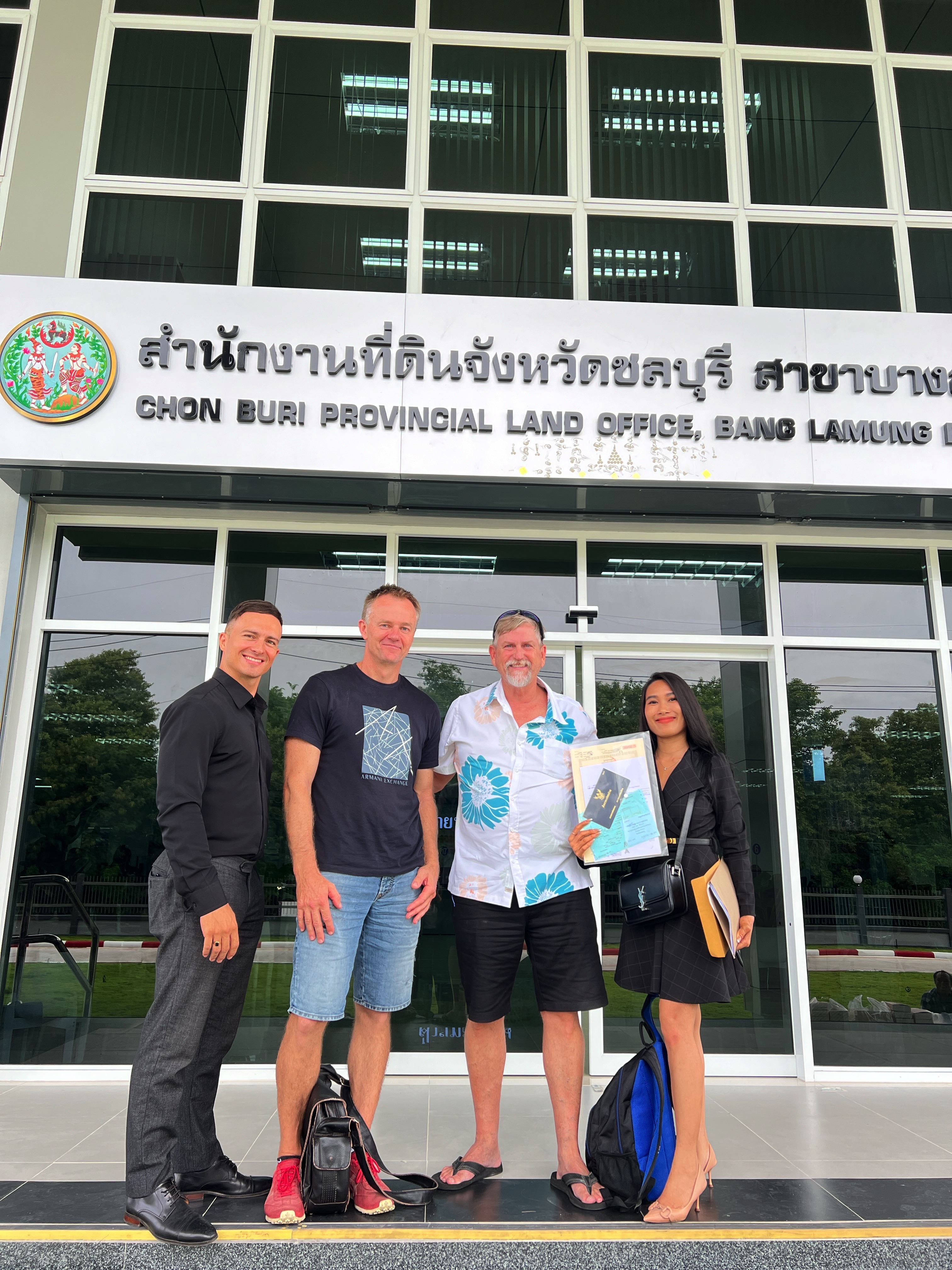
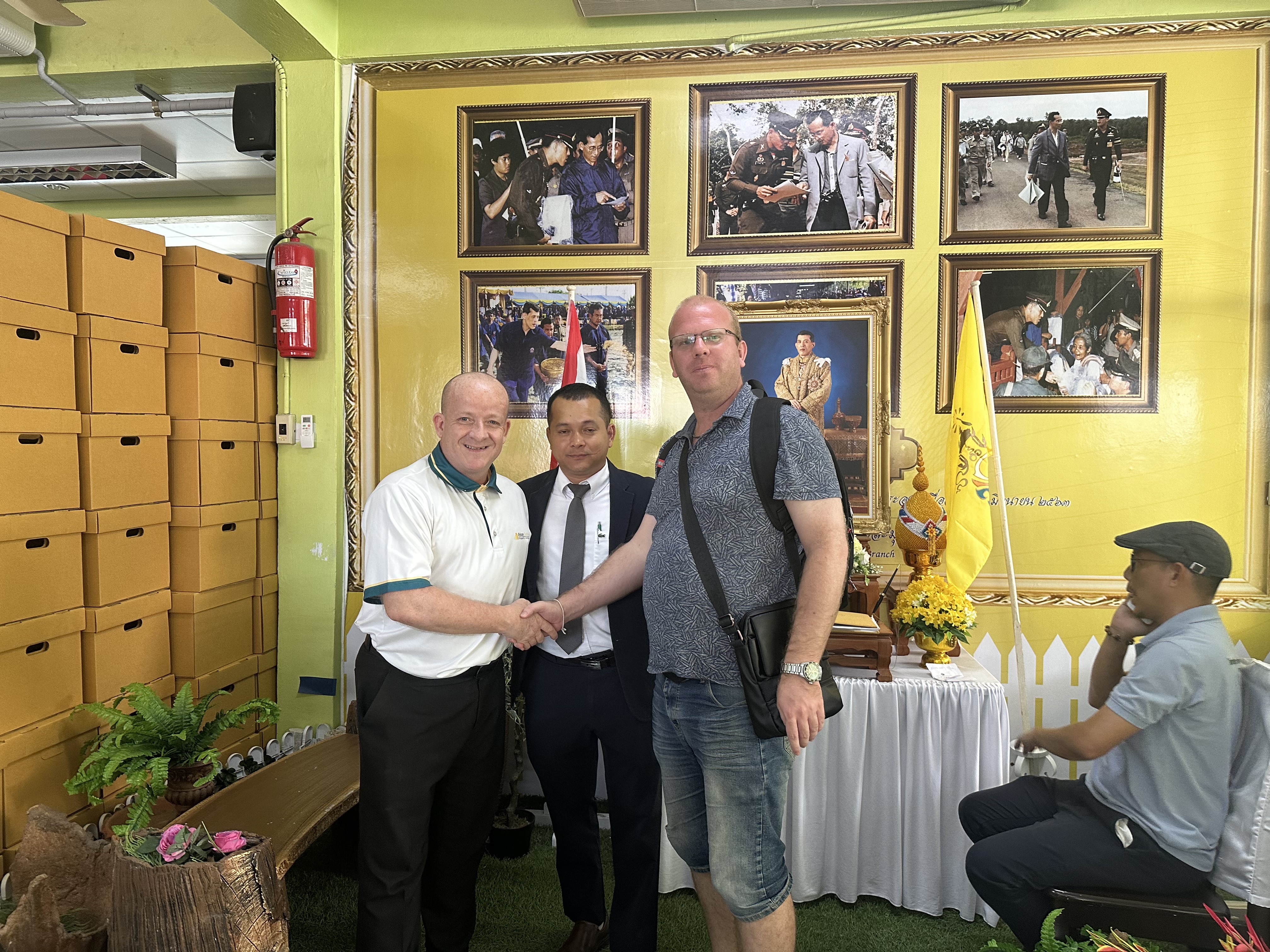
Understanding the Risks of Property Investment in Thailand
Investing in real estate in Thailand can be lucrative, but it comes with inherent risks. Thailand's property market is complex and poses challenges, particularly for foreign investors. The local market’s unique regulations and practices, coupled with language barriers, can leave foreign buyers vulnerable to fraud. Scammers frequently target foreign investors, exploiting their lack of familiarity with Thai property laws. A thorough understanding of these laws and the market landscape is critical to mitigating risks and safeguarding your investment.Understanding Real Estate Transactions in Thailand
It is essential to understand the local laws and regulations, as well as the cultural nuances, to ensure a smooth and successful transaction. Navigating the intricacies of Thailand’s property market requires a keen awareness of the legal landscape and a proactive approach to due diligence. Whether you’re purchasing a vacation home or investing in rental property, being well-informed is your best defense against potential pitfalls.Risks and Complexities Involved in Buying Property
Buying property in Thailand can be a daunting task. Some of the risks and complexities involved include:- Unclear Land Ownership: Thailand has a complex system of land ownership, and it can be challenging to determine who owns the land. Ensuring that the land title is legitimate and free from disputes is crucial.
- Foreign Ownership Restrictions: Foreigners are restricted from owning land in Thailand, and there are specific rules and regulations that must be followed. Understanding these restrictions and exploring legal alternatives, such as leasehold agreements, is essential.
- Language Barriers: Communication can be a significant challenge, especially for those who do not speak Thai. Misunderstandings can lead to costly mistakes, so it’s important to work with bilingual professionals.
- Cultural Differences: Thailand has a unique culture, and understanding the local customs and practices is essential to avoid misunderstandings. Respecting these cultural nuances can facilitate smoother transactions and foster positive relationships.
Importance of Due Diligence in Real Estate Transactions
Due diligence is crucial in real estate transactions in Thailand. It involves researching the property, the seller, and the local market to ensure that the transaction is legitimate and secure. Some of the things to consider during due diligence include:- Verifying the Seller’s Identity and Ownership of the Property: Confirm that the seller is the rightful owner and has the authority to sell the property.
- Checking the Property’s Title Deeds and Registration Documents: Ensure that the land title is genuine and accurately reflects the property’s details.
- Researching the Local Market and Property Values: Familiarize yourself with market trends and property values to avoid overpaying.
- Ensuring that the Property is Free from Any Encumbrances or Debts: Verify that the property is not subject to any legal disputes, mortgages, or other encumbrances that could affect your ownership.
Common Mistakes Made by Foreign Buyers
Foreign buyers often make mistakes when buying property in Thailand. Some common errors include:- Skipping Due Diligence: Failing to thoroughly research the property and verify documents can lead to significant financial losses.
- Misunderstanding Local Laws: Not fully understanding Thai property laws and regulations can result in legal complications and potential disputes.
- Overlooking Red Flags: Ignoring warning signs, such as deals that seem too good to be true or high-pressure sales tactics, can lead to scams and fraud.
- Relying Solely on Unverified Sources: Trusting unverified real estate agents or developers without conducting independent research can be risky.
Types of Property Scams in Thailand
Several types of property scams are prevalent in Thailand, including:- Fake Land Titles: Scammers may forge documents or sell properties without legitimate ownership.
- Off-Plan Property Scams: Investors may pay for properties that are never completed.
- Rental Scams: Fraudsters may demand deposits for properties they don’t own or fail to deliver promised returns.
Recent Property Scams to Watch Out for in Pattaya
Some example scams we have come across just recently- Fake Rental Agreements by Freelance Agents
- Undisclosed Short-Term Rentals
- Deposit Fraud
- Lawyer Shareholder Scam in Company-Owned Properties
Land Ownership Laws and Regulations
Thailand’s property ownership laws are unique and require careful navigation:- Chanote Titles: Ensure the property has a legitimate Chanote title, which is the highest level of land ownership documentation in Thailand.
- Condominium Ownership: Under the Thai Condominium Act, foreign ownership is capped at 49% of the total unit area in a condominium building.
- Thai Nominee and Usufruct Agreements: These arrangements may seem like a workaround for foreign ownership restrictions but carry significant legal risks.
Overview of the “Chanote” Land Title System
The “Chanote” land title system is the highest level of land title deed in Thailand. It grants the holder full rights over the land and is considered the most secure form of land ownership. However, there are other types of land titles, such as “Nor Sor 3 Gor” or “Nor Sor 3”, which are less secure and may have limitations. Understanding the differences between these titles is crucial for making informed decisions about property investment.Understanding the Thai Condominium Act and Its Limitations
The Thai Condominium Act restricts foreign ownership in condominiums, allowing foreigners to own units up to 49% of the total space of all units in a building. It is essential to understand the Act and its limitations to avoid any potential issues or disputes. Being aware of these restrictions can help you navigate the legal landscape and make informed decisions about condominium investments in Thailand. By understanding these aspects of real estate transactions in Thailand, you can better protect yourself from scams and ensure a successful property investment.Due Diligence and Research
Conducting due diligence is a cornerstone of safe property investment. Key steps include:- Researching Property Values: Familiarize yourself with local market prices to avoid overpaying.
- Verifying Documents: Always check the authenticity of land titles and property documents.
- Understanding Real Estate Agents’ Roles: Be cautious of potential conflicts of interest and work only with reputable agents.
Leasehold System and Property Taxes
For foreign investors, understanding Thailand’s leasehold system is critical:- Leasehold Ownership: A leasehold allows foreigners to lease land for up to 30 years, with options for renewal. However, it does not provide outright ownership.
- Property Taxes: Be aware of taxes associated with property transactions to avoid unexpected expenses.
Protecting Yourself from Scams
To safeguard your investment:- Recognize Common Scams: Be vigilant about rental scams, bait-and-switch tactics, and too-good-to-be-true deals.
- Conduct Due Diligence: Verify all documents and thoroughly vet developers and agents.
- Seek Professional Advice: Engage reputable lawyers and real estate agents to guide you through the process if needed.
Resolving Disputes and Seeking Compensation
If you fall victim to a property scam, there are ways to seek resolution:- Report the Incident: Notify the police and, if applicable, contact your embassy for guidance.
- File a Complaint: Submit your case to the Office of the Consumer Protection Board (OCPB) in Thailand.
- Legal Recourse: Hire a lawyer experienced in Thai property law to help you navigate the dispute resolution process.
The Role of Real Estate Agents and Lawyers
Professionals can be your greatest allies when navigating the Thai property market complexities, especially a real estate agent with expertise in property laws and market trends:- Real Estate Agents: Choose agents with a proven track record and reputation for integrity.
- Lawyers: A qualified lawyer can protect your interests and ensure all legal requirements are met.
- Power of Attorney: Understand the implications of granting power of attorney to avoid misuse.