Building Permits in Thailand: What You Need to Know and What I Learned the Hard Way
When it comes to building, renovating, or modifying property in Pattaya, one of the most important—but often overlooked—steps is securing a building permit. It's a critical part of ensuring your construction is legal, compliant, and protected.
I learned this firsthand when I tried to apply for a permit for a house that was built over 20 years ago. The process wasn’t straightforward—and that’s putting it mildly. I assumed that since the house already existed, updating or extending it wouldn’t be a problem. But when I walked into the local land office, I was met with blank stares and a clear message: no original building permit, no approval.
That experience sparked a deeper dive into understanding building permits in Thailand. Here’s everything you need to know.
What is a Building Permit?
A building permit is an official approval from the local authorities that allows you to construct, modify, renovate, demolish, or change the use of a structure. It ensures that your building complies with zoning laws, environmental regulations, and safety codes.
Permits are governed by the Building Control Act and enforced by local municipalities or the Department of Public Works and Town & Country Planning.
When Do You Need a Building Permit?
You need a permit in Thailand for:
- New construction
- Structural modifications (changing walls, expanding space, etc.)
- Demolition or relocation of existing structures
- Converting a building from one use to another (e.g., residential to commercial)
- Adding external features such as fences, driveways, or swimming pools
In essence, if you’re doing anything more than cosmetic changes—like painting or minor internal refurbishing—you likely need a permit.

Why It Matters
Building without a permit can lead to serious consequences:
- Fines and stop-work orders
- Forced demolition of unauthorized structures
- Legal issues when selling or transferring property
If you're buying a house in Pattaya with plans to extend or modify it, always confirm that it has an original building permit. That was the problem I ran into—because the previous owner never applied for one, the house technically shouldn't have existed. That meant I couldn't officially renovate or extend it without going through a painfully complex legal workaround.
The Application Process: Step-by-Step
1. Check Zoning Regulations
Before you build, verify that your project aligns with local zoning laws. These can include:
- Distance from the road or neighbors
- Maximum building height
- Environmental restrictions (e.g., coastal or flood-prone zones)
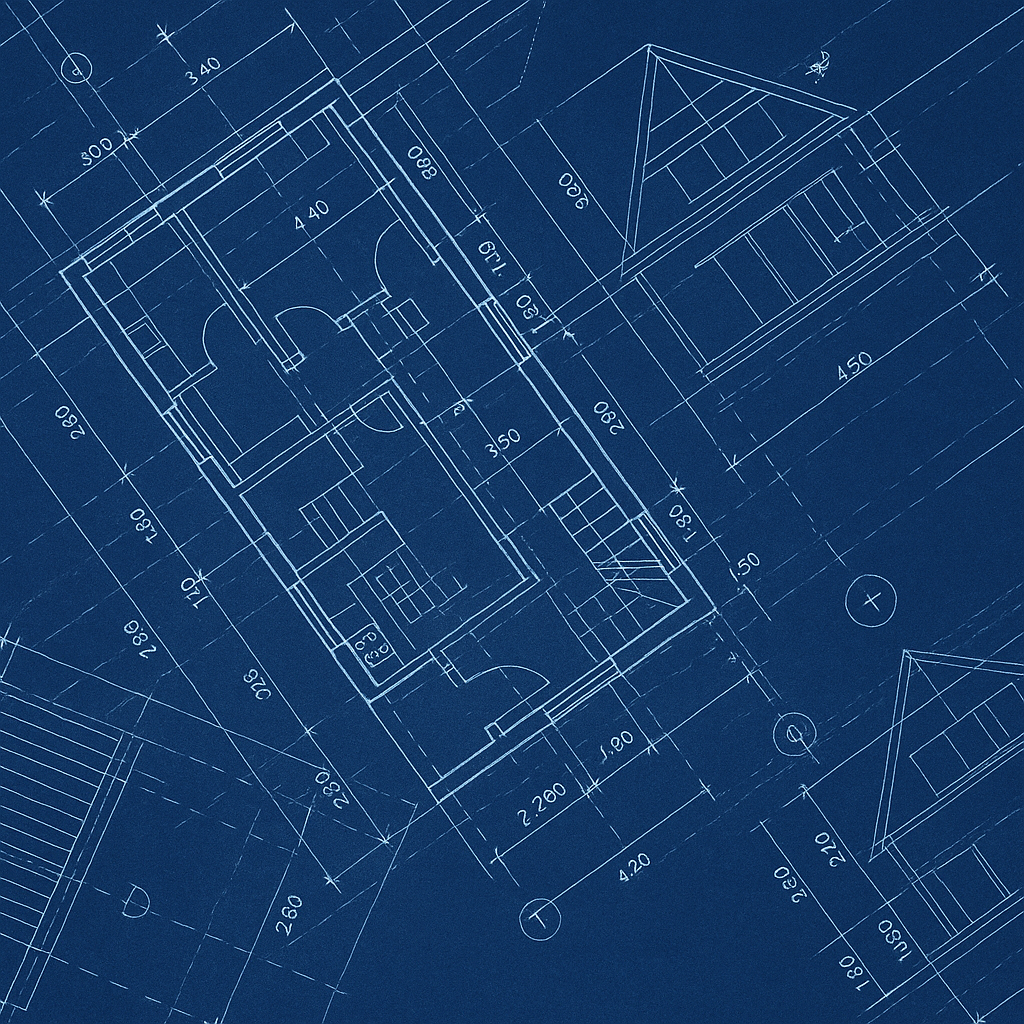
2. Prepare Documentation
You’ll need:
- A copy of the land title deed (Chanote)
- Architect and engineering plans
- Drainage and electrical plans
- Structural calculations signed by a licensed engineer
- A copy of your passport or Thai ID
- Landowner consent (if the builder is not the owner)
- Company registration documents (if a company is involved)
3. Submit to the Local Municipality
Submit your documents to the local city hall or district office. Residential buildings are usually reviewed within 20 working days. Larger or commercial buildings can take up to 33 days.
4. Pay Fees
Permit fees are calculated based on the total square meters of your build.
5. Site Inspection
An inspector may visit your property to verify conditions on the ground match your submitted plans.
6. Permit Approval
Once approved, you’ll receive the permit, which is valid for 1 year. You can apply to renew it annually for up to 3 years if construction is delayed.
Special Rules for Foreigners
While foreigners cannot own land in Thailand directly, they can own buildings. This is done through:
Leasehold + Building Permit
You lease the land (typically for 30 years) and apply for a building permit in your personal name. You own the building, even if not the land.
Superficies Right
This legal tool allows you to build on someone else’s land and register ownership of the building at the land office. The right can last for up to 30 years, or even for life in some cases.
This is a popular setup for foreigners who want to build a villa in Pattaya on leased land.
Lessons from My Personal Experience
In my case, I was dealing with an old house that had never been legally registered. Even though it was physically standing for over two decades, the land office had no record of its construction. That meant I couldn’t get a permit for renovations—because there was no permit to modify in the first place.
Had I known then what I know now, I would’ve checked the building permit history before buying. If you’re purchasing an older house in Thailand, especially in rural or less regulated areas, always verify that the structure was built legally.
If it wasn’t, you may face major roadblocks down the line.
Final Thoughts: Don’t Skip This Step
Getting a building permit in Thailand might seem like a bureaucratic headache, but it's essential. Not only does it protect your investment, it ensures your construction is safe, legal, and sellable in the future.
Whether you're building from scratch or renovating, take the time to do it right. Hire a licensed architect, check local regulations, and confirm ownership structures if you're a foreigner. Trust me—it’s a lot easier than fixing things later.
If you have any questions or you're unsure where to start, get in touch with the team at Alan Bolton Property Consultants. We're happy to guide you through the process and connect you with trusted local professionals.
Written by Shane Ruddle