Guide to Pattaya
Why There Are No Office Blocks in Pattaya and Whether We Might See Them in the Future
19 January 2025By Shane Ruddle
Pattaya, renowned for its vibrant tourism, stunning beaches, and bustling nightlife, is a city that thrives on leisure and lifestyle. But while its streets are filled with luxury condos, resorts, and restaurants, there’s one noticeable absence: traditional office blocks. Unlike Bangkok, Thailand’s thriving business hub, Pattaya has yet to see a significant emergence of corporate towers. This article delves into why that is and whether the future might hold a different skyline for this coastal city.
Current Landscape of Pattaya
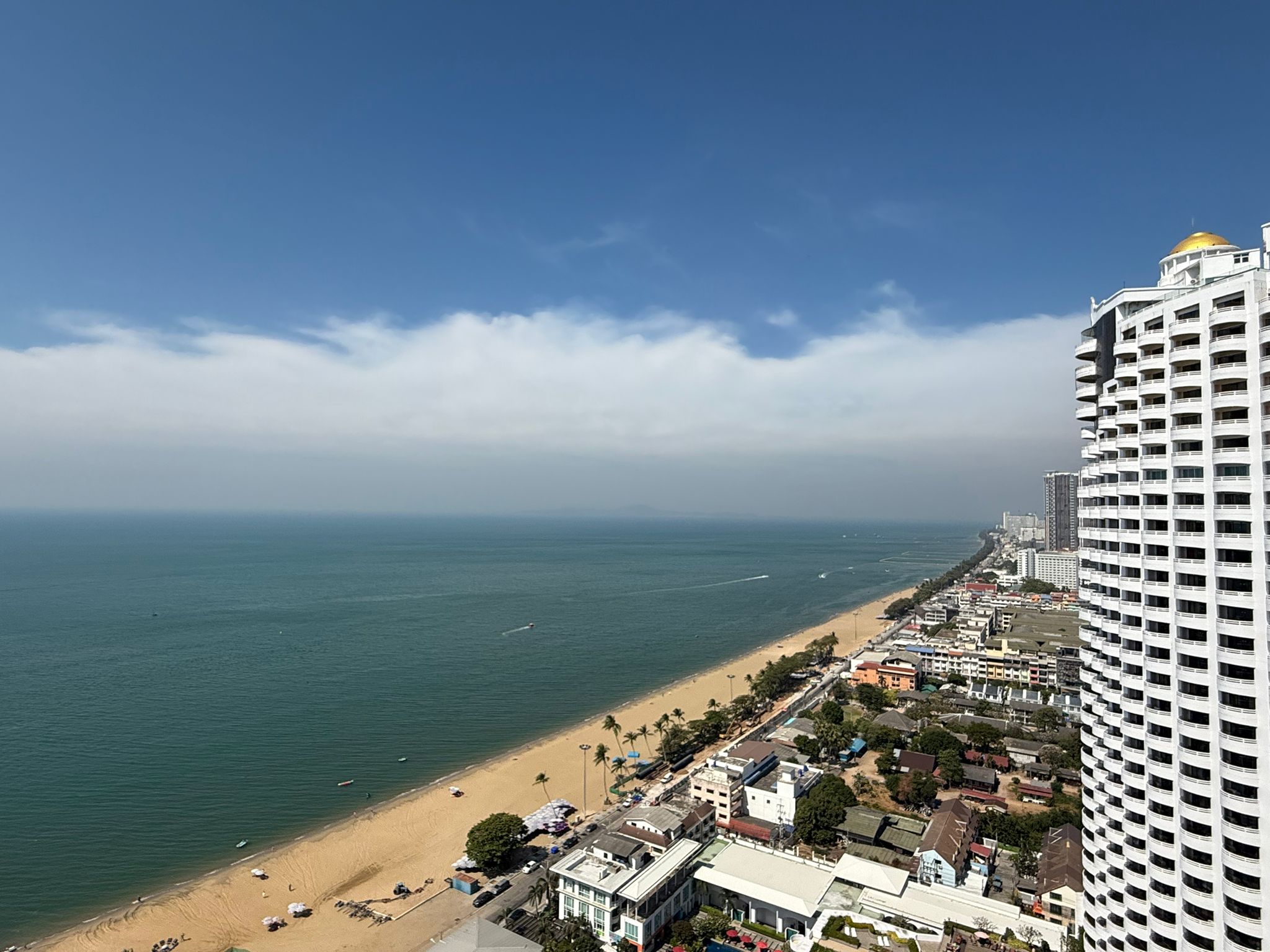
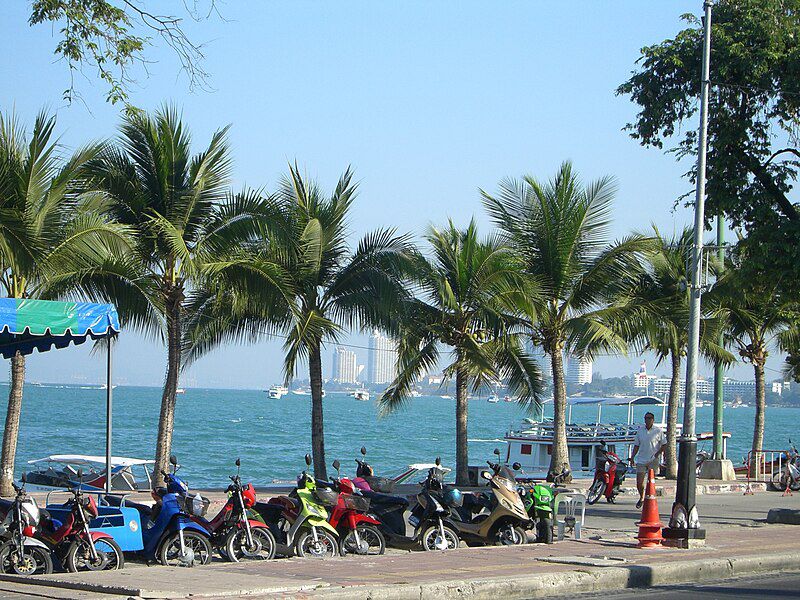
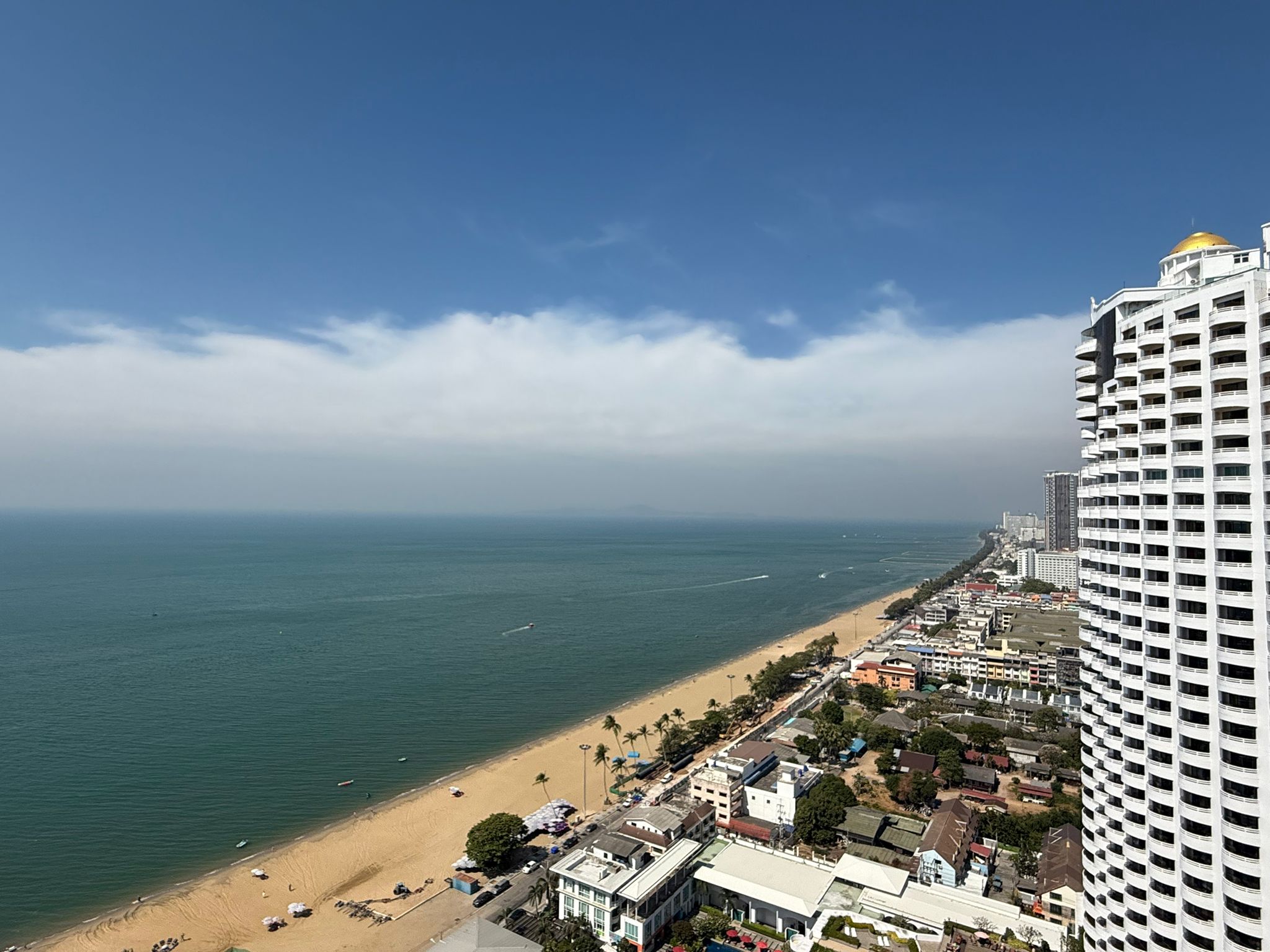
Pattaya’s economy has historically revolved around its identity as a tourist hotspot. From five-star hotels to expansive shopping malls, the city’s development has focused on catering to visitors seeking relaxation and entertainment. As a result, the skyline is dominated by high-rise residences, resorts, and entertainment venues. Traditional office buildings have never been a priority in Pattaya’s urban planning, reflecting its tourism-driven economy.
Reasons for the Lack of Office Blocks
1. Tourism-Driven Economy
Pattaya’s core identity lies in its appeal to tourists. Over the decades, the city has prioritized infrastructure that supports its hospitality sector, including hotels, restaurants, and attractions. Office blocks simply do not align with this economic focus.2. Proximity to Bangkok
Located just 1.5 hours from Bangkok, Pattaya’s businesses often rely on Thailand’s capital for corporate needs. Bangkok’s well-established infrastructure and international connections make it the natural choice for companies requiring office space. This proximity reduces the necessity for standalone office developments in Pattaya.3. Work Culture and Industry Preferences
Pattaya’s economy is largely comprised of small businesses, independent operators, and industries like real estate and tourism. The rise of remote work and co-working spaces also meets the needs of many professionals in Pattaya, negating the demand for traditional office spaces.4. Zoning and Urban Planning
The city’s zoning regulations have historically favored tourism and residential developments over business districts. Efforts to create office blocks would require a significant shift in urban planning priorities.5. Land Cost and ROI Concerns
Land in Pattaya is highly valuable, particularly in central areas. Developers find it more profitable to invest in residential or hospitality projects, which offer higher returns on investment compared to office spaces. The risk of low occupancy in a corporate building further deters such ventures.
Potential for Future Office Blocks
While traditional office blocks may not be a feature of Pattaya today, several factors suggest they could emerge in the future:1. Rise of Digital Nomads
Pattaya has become increasingly popular with digital nomads who value the city’s affordability and lifestyle. This demographic has driven demand for co-working spaces and serviced offices, which could pave the way for hybrid developments that incorporate office space.2. Government Policies and Incentives
Recent government initiatives, such as new visa options for digital nomads and business incentives, may encourage companies to consider Pattaya as a secondary hub. If policies continue to support economic diversification, office developments could follow.3. Development of the Eastern Economic Corridor (EEC)
Pattaya is strategically located within the Eastern Economic Corridor, a major infrastructure and investment initiative aimed at boosting regional business activity. The proximity to industrial hubs like Laem Chabang could generate demand for office spaces catering to logistics, technology, and support industries.4. Shift in Work Trends
The rise of hybrid work models blending remote work with physical office needs could lead to an increase in demand for flexible office solutions. Developers might explore multi-use complexes that combine residential, office, and leisure facilities.
Challenges to Future Development
Despite these potential drivers, several challenges remain:- Resistance from Local Stakeholders: With tourism and residential projects being more lucrative, developers and stakeholders may resist a shift toward office block construction.
- Infrastructure Limitations: Pattaya would need to enhance public transport and utilities to support the development of business districts.
- Balancing Demand and Supply: Developers would need to ensure sufficient occupancy rates to justify the investment.